Ultimate Source in Stainless Steel
Coils made from austenitic stainless steel (SS 1.4404 and UNS S31603) are famed for being highly resistant to corrosion in chloride-heavy environments. Due to their low carbon content and added molybdenum such coils are favored in fields that demand excellent hygiene, strong products and long-lasting parts.
Because of their use in food processing, handling chemicals, marine work and pharmaceutical manufacturing, SS 1.4404 coils are known for lasting a long time and being easy to maintain. The article discusses the key details on SS 1.4404 UNS S31603 Coils, explaining how they are made, their features, why they are preferred and the most common ways they are put to use. The guide will help you understand why choosing these coils is the best choice for numerous critical applications, no matter if you are from manufacturing, engineering or purchasing.
Inquire Now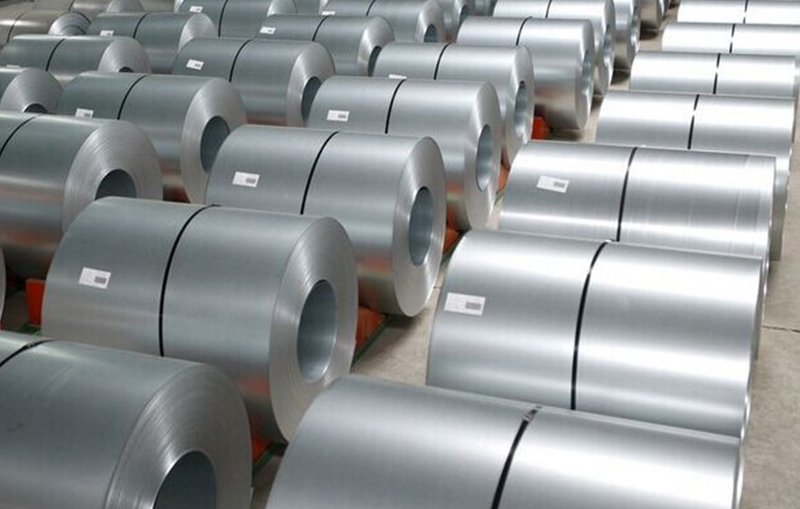
SS 1.4404 UNS S31603 is designed to have less carbon than regular 316 stainless steel grade (AISI 316L). S31603 as the “UNS” designation for S31603 makes the alloy standardized worldwide. The name assigned to it by the Europeans is 1.4404.
Chromium (16-18%), nickel (10-14%) and molybdenum (2-3%) are the main chemicals found, but there is only a small amount of carbon (≤0.03%). With less carbon, carbide is less likely to form during welding which increases the defense against corrosion in welded parts.
This grade’s appearance will not be affected by magnets and it forms and welds well when annealed. Because SS 1.4404 can handle the effects of corrosive chlorides and acids well, it is a good material for heavy industry.
UNS S31603 Coils are appreciated for being very strong and resistant to corrosion. Because they contain molybdenum, they are more resistant to pitting and crevice corrosion in chloride environments than other types of stainless steel.
Special qualities include:
Because it offers resistance to both chlorides and acids, SS 316L is suitable for chemical and marine industries. Because it isn’t easily polluted and can be used for a long time, it is widely chosen for use in pharmaceuticals and food industries
A variety of industries benefit from coils made from UNS S31603 because they are very resistant to corrosion and have great fabrication features.
Important applications :
Coils from SS 1.4404 UNS S31603 give many beneficial results and are thus a leading choice against other types of stainless steel.
All of these advantages mean SS 316L coils are perfect for companies that need stability, dependability and security.
Q1. SS 1.4404 and SS 316 are not the same; what is the difference?
SS 1.4404 is meant for uses similar to SS 316 (also 316L) and provides better welding properties and lower risk of joint corrosion.
Q2. Can SS 1.4404 Coils serve in aspects of marine work?
Yes, because they contain molybdenum, SS 1.4404 coils are protected against saltwater corrosion, so they are perfect for marine use.
Q3. Are coils with measurements of SS 1.4404 used in welding?
Absolutely. Because there is less carbon in their composition, embrittlement from intergranular corrosion is less of a concern.
Q4. Where do I get SS 1.4404 UNS S31603 Coils?
You can get stainless steel coils from top stainless steel coil suppliers and manufacturers. The supplier should issue material test certificates (MTCs) for each batch of material.
SS 1.4404 UNS S31603 can be used in many different applications because coils are known for their durability, resistance to corrosion and hygiene. Because they have a low carbon content, they weld well and provide great quality which is why they are often picked for critical work in the marine, pharmaceutical and chemical industries.
Manufacturers and engineers interested in top-quality materials can depend on SS 1.4404 Coils for reliability, value and long-term results.
Today, get in touch for a detailed discussion on our stainless steel coils and see if SS 1.4404 UNS S31603 matches your project requirements.