Ultimate Source in Stainless Steel
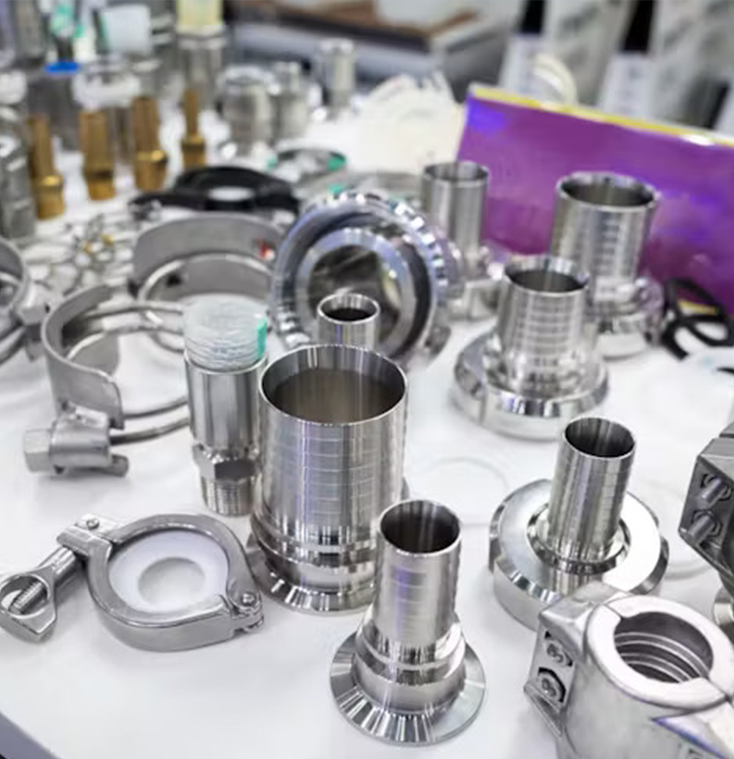
SS 1.4541 (UNS S32100, AISI 321) is a titanium-stabilized austenitic stainless steel. It is widely known for its outstanding intergranular corrosion resistance and high-temperature stability. Thanks to its mechanical strength, thermal performance and durability, this grade is widely used in high demanding industrial applications.
Inquire Now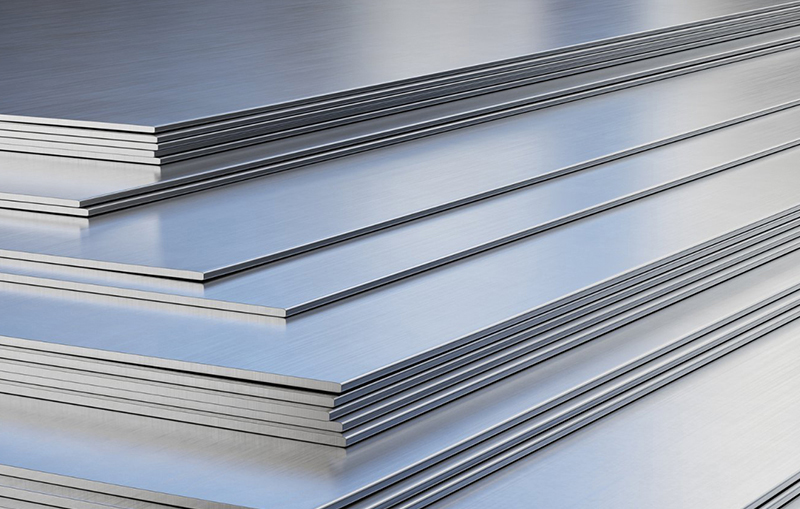
Type 321 stainless steel(SS 1.4541, UNS S32100) is a titanium-stabilised austenitic stainless steel alloy. The ultimate inclusion of titanium in the forming of stable carbides prevents carbide precipitation during welding and improves intergranular corrosion resistance. In addition, this steel provides excellent oxidation resistance and maintains its mechanical properties at elevated temperatures.
SS 1.4541 offers various performance benefits which is why an ideal material to be used in many applications:
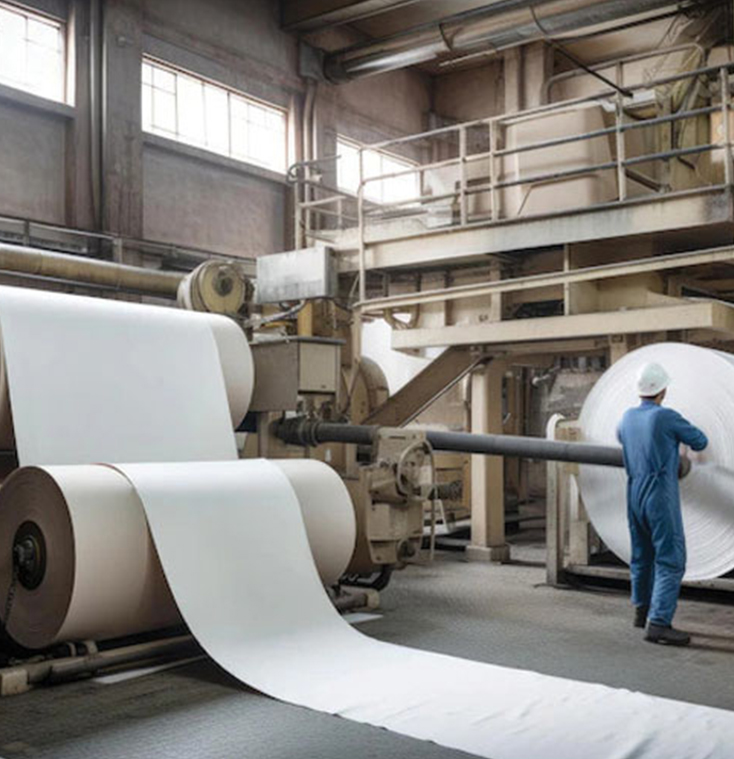
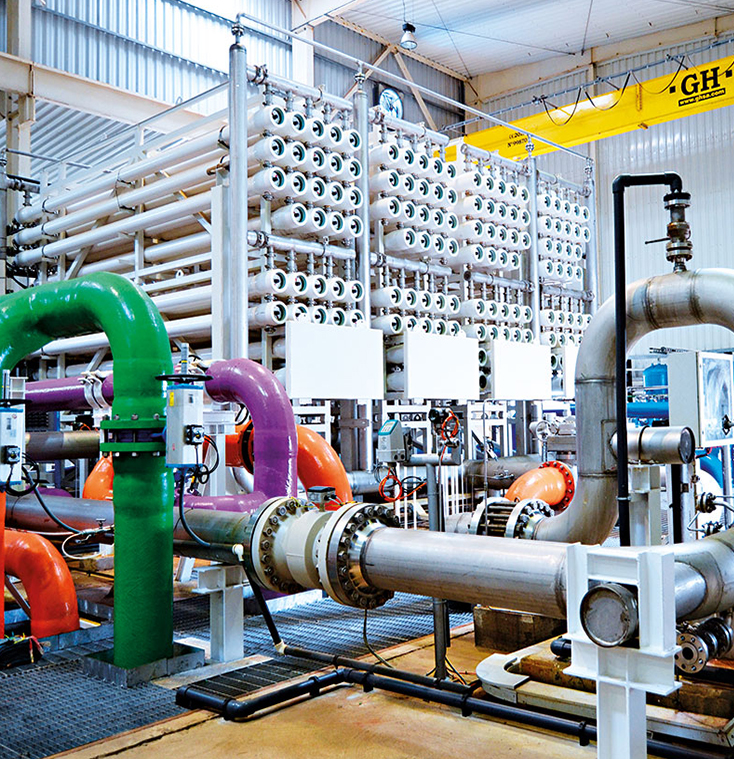
SS 1.4541 is used in many industries because of its durability and resistance to high temperature and corrosion:
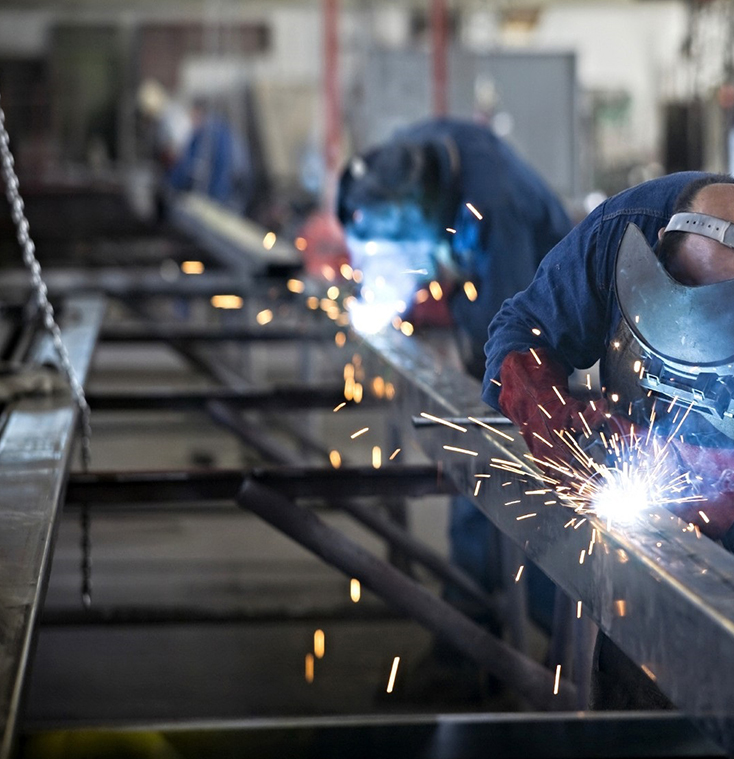
SS 1.4541 can be welded using most conventional welding methods. The titanium content also avoids precipitation of carbide, benefitting the alloy's resistance to intergranular corrosion after welding. Post-weld heat treatment is not usually required. As a rule of thumb not to go for tools with high hardness that further work hardens the surface, carbide-tipped tools get recommended for machining.
Q1: What is the differentiation of SS 1.4541 and SS 304?
SS 1.4541 contains titanium, which improves resistance to intergranular corrosion in the heat affected zone after welding. The lack of this stabilization in SS 304 renders it unsuitable for any application using welding when using it at high temperature applications.
Q2: Is SS 1.4541 magnetic?
No, SS 1.4541 is basically non-magnetic in the annealed condition (like other austenitic stainless steels).
Q3: What is the common sizes and thickness of SS 1.4541 sheets and plates?
SS 1.4541 Sheets & Plates thickness is from 0.40 mm to 14 mm and width up to 2,000 mm.
SS 1.4541 UNS S32100 sheets and plates are excellently performing in the environments where high temperature and corrosive vapors are present. They provide outstanding weldability, mechanical strength, and stability, making them suitable for use in chemical processing, power generation, and food production, among other industries.